
Did you know that over 90% of Icelanders speak English? If you’re planning a trip and wondering “Do they speak English in Iceland?”, the short answer is yes. Almost everyone does, especially in cities, tourist areas, and among younger generations. Iceland consistently ranks among the highest non‑native English‑speaking countries in the world, so you’ll have no problem communicating whether you’re in downtown Reykjavík or exploring remote countryside towns.
In this guide, we’ll cover how widely English is spoken, what Iceland’s official language is, how Iceland compares to other Nordic countries, and practical tips for both travelers and people considering moving to Iceland.
Table of Contents
- English Proficiency in Iceland
- Why Icelanders Speak English
- What Language Do They Speak in Iceland?
- Travel Tips for English Speakers
- Understanding the Icelandic Language
- Frequently Asked Questions
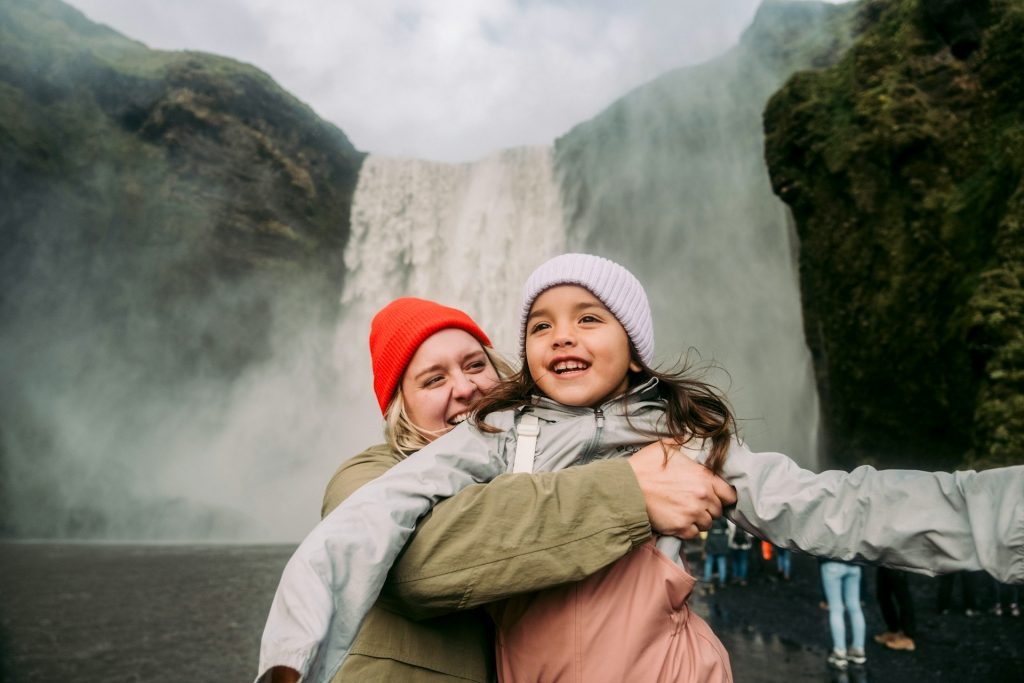
English Proficiency in Iceland
Iceland boasts an impressively high English proficiency rate, with over 90% of its population able to communicate comfortably in English. This positions the country among the top non‑native English‑speaking nations worldwide and makes it one of the easiest destinations in Europe for English speakers. English in Iceland is especially common in the capital city of Iceland, and in major tourist hubs around the Ring Road.
2026 English Proficiency Ranking Update
According to the most recent EF English Proficiency Index (EF EPI) data, Iceland sits in the “high” to “very high” proficiency band and ranks within the top 20–25 countries globally for adult English skills, just behind several larger European nations. This means that when you travel here, you are dealing with a society where English is not only taught in schools but also used confidently in daily life, particularly in tourism, services, and international business
Where is English spoken in Iceland?
In Reykjavik and other tourist hotspots, you’ll find English spoken almost everywhere. English‑speaking tourists are warmly welcomed by Icelandic locals, who are known for their hospitality and friendliness. From restaurants and hotels to tour guides and shops, using English while traveling in Iceland is typically effortless.
The tourism industry in Iceland is highly attuned to the needs of English‑speaking visitors. For instance:
- Hotels: Most hotel staff are fluent in English, ensuring smooth communication during check-in, room service requests, and providing local information or recommendations.
- Airport Staff: At Keflavik International Airport(KEF), the primary gateway to Iceland, airport staff are proficient in English. They can assist with directions, flight information, and other traveler needs.
- Car Rental Services: Companies like Hertz Iceland offer excellent customer service in English. From booking your rental to picking up and returning the car, staff are well‑equipped to communicate effectively with native and non‑native English speakers alike.
- Tour Guides: Tour guides across Iceland, whether for glacier hikes, Northern Lights tours, or cultural excursions, are typically fluent in English. They provide informative and engaging experiences, making it easy for English-speaking tourists to fully enjoy the Iceland attractions.
In addition, many restaurants and cafes have English menus, and most tourist attractions provide information in English. This widespread use of English in tourism‑related services ensures that visitors can communicate in Iceland without worrying about a serious travel to Iceland language barrier.

How Does Iceland’s English Proficiency Compare to Other Nordic Countries?
If you are choosing between Nordic destinations, you might wonder how English proficiency in Iceland compares to places like Sweden or Denmark. EF EPI data shows that all Nordic countries score in the “high” or “very high” proficiency bands, meaning you can comfortably rely on English across the region.
| Country | EF English Proficiency Level / Approx. 2025 Ranking |
| Iceland | High–Very High, top 20–25 |
| Sweden | Very High, top 10 |
| Norway | Very High, top 10 |
| Denmark | Very High, top 10 |
| Finland | Very High, top 15 |
The larger Nordic countries (Denmark, Sweden, Norway, Finland) tend to rank slightly higher than Iceland thanks to bigger populations and long histories of English‑language education. For travelers, though, the practical difference is minimal: in all of these countries, you can ask “Can Icelanders speak English?” or “Can Norwegians speak English?” and get the same reassuring answer—yes, very well.
Why Icelanders Speak English
The high English proficiency in Iceland can be traced back to historical and geopolitical factors. During the 20th century, Iceland was under Danish rule, and Danish was taught as a second language. However, after gaining independence, Iceland shifted its focus towards English due to its increasing global influence and economic ties with English‑speaking countries.
Education and Media Influence
English is taught as a compulsory subject in Icelandic schools, often introduced at an early age. This robust educational system ensures that the majority of Icelanders speak English proficiently by the time they finish secondary school. Moreover, English‑language media—such as movies, TV shows, streaming platforms, and music—is widely consumed in Iceland, and it is usually shown with subtitles rather than dubbing, which further boosts English skills among Icelanders.
What Language Do They Speak in Iceland?
The official language of Iceland is Icelandic, a North Germanic language closely related to Old Norse, the language spoken by Vikings. It is the most spoken language in Iceland, the first language of nearly all Icelanders, and is used in schools, media, and government. Icelanders are proud of this linguistic heritage and work hard to preserve it through education and language policy.
If you are searching “what language do they speak in Iceland” or “what language is spoken in Iceland,” the simple answer is: Icelandic is the official language of Iceland, while English functions as the main foreign language for international communication.
Other Languages Spoken in Iceland
Besides Icelandic and English, you may also encounter:
- Danish: Taught in schools due to historical ties with Denmark.
- Polish: The largest immigrant community in Iceland speaks Polish.
- Lithuanian, Spanish, and German: Common among other expat groups and in tourism.
So while Icelandic remains the country’s official language, English is the language that connects visitors and locals alike. When people ask “do people speak English in Iceland?”, the reality is that many residents are comfortably bilingual, switching between Icelandic at home and English at work or with tourists.
Travel Tips for English Speakers
Navigating the language in Iceland as an English speaker is quite straightforward. Most signs and menus are available in English, and locals are generally eager to assist. Here are a few tips to enhance your travel experience:
- Don’t worry about the basics, as nearly everyone can communicate in English. From hotel check‑ins to gas stations in the countryside, communication is rarely an issue.
- Always carry a map (or use Google Maps) so you can easily follow directions locals give you in English.
- Download a translation app (like Google Translate) for the occasional Icelandic‑only menu, parking sign, or government notice.
- Learn a few Icelandic greetings—locals will appreciate small efforts like “Halló” and “Takk” even if the rest of the conversation continues in English.
- Don’t hesitate to ask locals for directions or recommendations; they are usually very friendly and happy to answer in English.
- Book your rental car in advance with Hertz Iceland so you can explore the countryside confidently with English‑speaking staff support.
- Join guided tours in English. Nearly all glacier hikes, Northern Lights tours, and Golden Circle trips offer English commentary.
If you’re spending more time in the capital, a local Reykjavik guide by car is a great way to combine easy driving, English‑language information, and relaxed sightseeing.
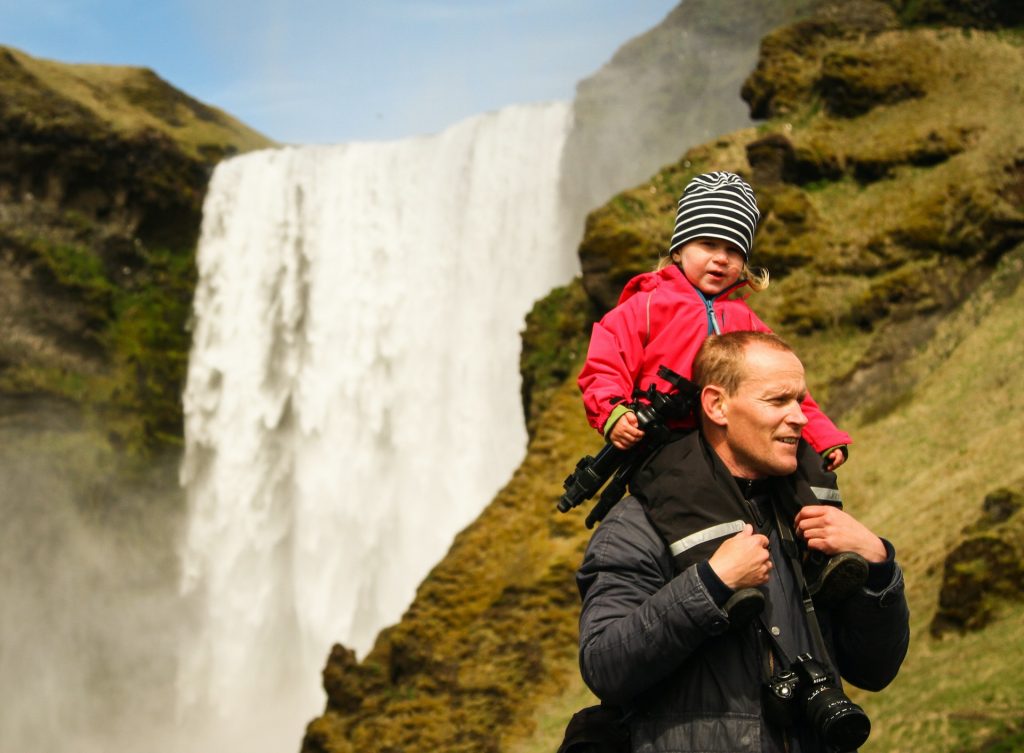
A Day in Iceland as an English‑Only Speaker
Imagine landing at Keflavík Airport after an overnight flight. The signs are in both Icelandic and English, and when you follow the arrows to the car rental desks, the Hertz Iceland agent greets you in fluent English, explains your contract, and gives tips for winter driving on the way to Reykjavík. You grab a coffee where the barista chats with you about the weather in English, then drive into the city using road signs and GPS that all make sense. At lunch, you order from an English menu, ask your server for local recommendations, follow English instructions at a nearby hot spring, and easily chat with your tour guide at one of Iceland’s famous waterfalls. From airport to hotel to attractions, you barely notice any language barrier at all.
Understanding the Icelandic Language
Icelandic is a Germanic language, closely related to Old Norse. It has remained relatively unchanged for centuries, preserving its unique linguistic heritage and many old grammatical forms. Icelandic is the official language in Iceland, and all Icelanders speak Icelandic; in other words, Icelandic is spoken by the majority of the population as their mother tongue.
Common Icelandic Phrases and Translations
Although English is widely spoken, learning a few Icelandic phrases can be handy and appreciated by locals. Here are some useful Icelandic phrases with their English translations:
- Hello: Halló (pronounced hah-low)
- Thank you: Takk (pronounced tahk)
- Yes: Já
- No: Nei
- How much does this cost?: Hvað kostar þetta?
Watch a quick demonstration of an Icelander speaking these terms:
Language Differences
Icelandic and English differ significantly in terms of grammar and vocabulary. Icelandic features complex grammar rules, cases, and a rich set of inflections, while English tends to be more straightforward. Despite these differences, the strong emphasis on English education means that Icelanders can switch between languages with ease and help you communicate in Iceland even if you never go beyond a few basic Icelandic words.
If you want to learn more about the Icelandic language read Icelandic Alphabet and Language Basics, blog and explore more posts in the Iceland culture blog.
Can You Live in Iceland Speaking Only English?
Many visitors fall in love with the country and start to ask a deeper question: can you live in Iceland speaking only English? For short‑term stays, study programs, or seasonal work in tourism, the answer is usually yes, but long‑term life is easier if you learn some Icelandic.
In day‑to‑day life—shopping at supermarkets, going to cafes, visiting doctors, or dealing with banks—staff in Reykjavík and larger towns can generally serve you in English. Government websites often have English pages, but many official forms, letters, and detailed documents are in Icelandic only, which means you may need help reading them if you don’t speak the local language. When it comes to working in Iceland, some industries such as tourism, hospitality, tech, and international companies hire people who mainly use English, but many public‑sector and local customer‑facing jobs still require Icelandic.
Socially, living in Iceland with only English is possible, especially if your friend group is mostly international, but it can limit how deeply you integrate into Icelandic‑speaking circles or participate in local clubs, politics, and cultural events. Over time, learning at least basic Icelandic shows respect for the culture and helps with everything from understanding jokes to following local news. So while you can absolutely get by in English, especially at the beginning, anyone planning to settle permanently should view Icelandic as a valuable investment rather than an optional extra.
Is There a Language Barrier for Tourists in Iceland?
For most tourists in Iceland, the language barrier feels very small. English‑language signs, friendly locals, and clear information at major sights all help make self‑drive trips straightforward. If you rent a car, follow an English GPS, and stick to well‑known attractions, you are unlikely to encounter situations where you truly cannot understand what is going on.
In more remote areas, you might meet older people who are more comfortable in Icelandic, but even then, basic English plus gestures and a translation app usually resolve things quickly. Planning your route with the help of an Iceland attractions overview and having your accommodation booked in advance reduces the chance of any stressful communication surprises.
Do They Speak English in Iceland FAQs
Frequently Asked Questions – Languages and Communication in Iceland
-
-
Do they speak English in Iceland?
Yes. Icelanders speak English at a very high level, and over 90% of residents can communicate in English, especially in Reykjavik and tourist areas. This high proficiency makes it incredibly easy for international visitors to navigate the country.
Pro Tip: The Hertz Iceland Difference – Because English is so widely spoken, our staff at our Prime Location inside the KEF arrivals hall are fully bilingual and ready to provide clear, detailed instructions for your road trip as soon as you land.
-
Do they speak English in Iceland?
-
-
What is the official language of Iceland?
The official language of Iceland is Icelandic, a North Germanic language descended from Old Norse and used in government, education, and everyday life.
-
What is the official language of Iceland?
-
-
What language do they speak in Iceland?
Most people in Iceland speak Icelandic as their native language, but English is the main foreign language and is widely used in tourism, business, and higher education. You will also find many residents who speak other Nordic languages or German.
-
What language do they speak in Iceland?
-
-
Is English widely spoken in Iceland outside of Reykjavik?
Yes. While Reykjavik has the highest concentration of fluent English speakers, staff at gas stations, hotels, restaurants, and tour operators around the country usually speak English well. You should have no trouble communicating even in more remote regions.
Pro Tip: The Hertz Iceland Difference – Even when exploring remote areas, you can travel with confidence knowing that our Nationwide Support is available in English. Help is just a phone call away, no matter where you are in Iceland.
-
Is English widely spoken in Iceland outside of Reykjavik?
-
-
Can I work in Iceland without speaking Icelandic?
In some sectors—such as tourism, tech, research, or international companies—you may find jobs where English is the working language, but many roles still prefer or require Icelandic, especially public‑facing or government jobs.
-
Can I work in Iceland without speaking Icelandic?
-
-
Can you live in Iceland speaking only English?
You can manage daily life and short‑term stays with only English, especially in Reykjavik, but long‑term residents benefit greatly from learning Icelandic for paperwork, career options, and deeper social integration.
-
Can you live in Iceland speaking only English?
-
-
Do Icelanders prefer to speak English or Icelandic with tourists?
Most Icelanders will naturally switch to English when they hear a foreign accent, and they are happy to help visitors, but they also appreciate it when you try a few Icelandic words first, like “Takk” for thank you.
-
Do Icelanders prefer to speak English or Icelandic with tourists?
-
-
Is there a language barrier for tourists in Iceland?
For most visitors, there is very little language barrier in Iceland, because signs, menus, tours, and services aimed at tourists are typically available in English. This is one of the reasons Iceland is such a popular destination for English-speaking travelers.
Pro Tip: The Hertz Iceland Difference – To ensure your journey is as smooth as possible, our Newer, Reliable Fleet comes equipped with user-friendly interfaces, and our rental agreements are provided clearly in English so there are no surprises on your trip.
-
Is there a language barrier for tourists in Iceland?
In Summary
So, do they speak English in Iceland? Definitely, and very well. English is widely spoken and understood across Iceland, making it easy for tourists to navigate and enjoy their trip. The strong influence of historical, educational, and media factors has ensured high English proficiency among Icelanders. Whether you’re in Reykjavik or exploring the beautiful Icelandic countryside, communicating in English will rarely be an issue.
Ready to explore Iceland? Book your car rental with Hertz Iceland today and enjoy a seamless travel experience, confident in the ease of communication.